

Introduction
Are you interested in building a career in the technology industry but do not have an IT or computer science background? You are not alone. Many graduates from commerce, management, science, and other academic fields want to explore opportunities in enterprise technology but are unsure where to begin. The good news is that an IT degree is not always necessary to enter the SAP field. SAP Career Without IT is a possible path for graduates and working professionals who are willing to understand business processes, develop relevant technical knowledge, and gain practical experience.SAP offers different functional and technical career paths, making it suitable for people with different educational backgrounds. With the right module selection and structured learning, you can work towards building a career in SAP.
.

What Is SAP and Why Is It Important?
SAP stands for Systems, Applications, and Products in Data Processing. It is a leading enterprise software platform that helps businesses manage important operations such as finance, sales, procurement, inventory, production, and human resources.
Instead of managing different departments through disconnected systems, organisations use SAP solutions to connect business processes and manage information more efficiently.
For example, when a company purchases raw materials, its procurement, inventory, finance, and reporting activities can be connected through SAP. This helps organisations maintain accurate information and improve operational efficiency.
As businesses continue adopting digital enterprise solutions, professionals with relevant SAP knowledge can explore opportunities in consulting, implementation, support, and business operations.
Can You Start a SAP Career Without an IT Background?
Yes, you can explore SAP career opportunities without a computer science or IT degree. Many SAP functional roles focus more on understanding business processes than on advanced programming knowledge.
Your educational background can help you select a suitable SAP module. For example, commerce graduates may find finance-related modules relevant, while management graduates may prefer procurement, sales, or human resource processes.
However, having a non-IT background does not mean that learning will require no technical effort. You should be comfortable using computers, understanding software systems, analysing information, and learning new tools.
SAP also provides beginner-level learning options. Its official SAP S/4HANA overview course is designed for learners without previous SAP background knowledge.
Best SAP Modules for Non-IT Students to Build a Successful SAP Career Without IT Background
Choosing the right module is one of the most important steps when entering this field. Consider your educational background, interests, and career goals before selecting a specialisation.
1. SAP FICO – Finance and Controlling
SAP FICO is a suitable option for students with backgrounds in commerce, accounting, finance, and management.
It focuses on financial accounting and controlling activities, including financial transactions, reporting, cost management, and business accounting.
Suitable for: B.Com, M.Com, MBA Finance, and accounting professionals.
2. SAP MM – Materials Management
SAP MM focuses on procurement, inventory management, material planning, and purchasing activities.
It can be a relevant learning path for people interested in supply chain management, warehouse operations, and procurement.
Suitable for: Graduates from commerce, management, and supply chain-related backgrounds.
3. SAP SD – Sales and Distribution
SAP SD manages important sales-related processes, including customer orders, pricing, delivery, and billing.
It can be a useful option for people interested in sales operations, business management, and customer processes.
Suitable for: BBA, MBA, commerce graduates, and sales professionals.
4. SAP SuccessFactors
SAP SuccessFactors focuses on human resource management, employee data, talent management, and workforce-related activities.
It can be an interesting option for individuals who want to connect their HR knowledge with enterprise software.
Suitable for: BBA, MBA HR, and human resource professionals.
5. SAP ABAP
SAP ABAP is a technical development area used to create and customise SAP applications. Unlike many functional modules, it involves programming and technical concepts.
Suitable for: BCA, MCA, B.Tech, computer science graduates, and people interested in software development.
Essential Skills You Need to Build a Career in SAP
Although an IT degree is not compulsory for every SAP career path, developing relevant skills is important.
Here are some essential skills to focus on:
Business Process Knowledge: Understand how finance, procurement, inventory, sales, and other departments operate.
Basic Computer Skills: Learn to work comfortably with software applications and digital systems.
Analytical Thinking: Develop the ability to understand business problems and identify practical solutions.
Communication Skills: SAP professionals often work with clients, business teams, and technical departments.
Problem-Solving Skills: Learn to analyse system-related issues and understand business requirements.
Practical SAP Knowledge: Gain hands-on experience with relevant modules and business scenarios.
These skills can help you understand how enterprise software supports real business operations.
Step-by-Step Guide to Starting Your SAP Journey
If you are a beginner, follow a structured learning approach instead of trying to understand every SAP module at once.
Step 1: Understand SAP Fundamentals
Start by learning what SAP does, how enterprise systems work, and why organisations use SAP software.
Step 2: Select the Right Module
Choose a module based on your academic background and career interests. Avoid selecting a course only because it is popular.
Step 3: Join Professional SAP Training
Look for a structured training programme that covers concepts, system navigation, module-specific topics, and practical exercises.
Step 4: Practise Through Live Projects
Practical learning helps you understand how business processes work inside an SAP environment. Work on exercises, configurations, and real-world business scenarios wherever available.
Step 5: Prepare for Interviews
Learn important module concepts, practise scenario-based questions, prepare your resume, and understand the responsibilities of entry-level SAP roles.
Why Practical SAP Training Matters
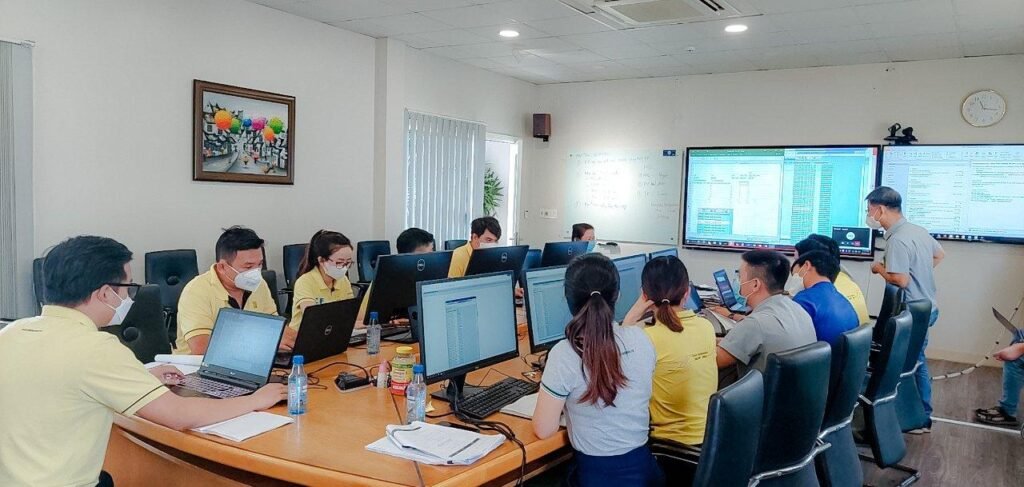
Learning theoretical concepts is important, but understanding how to apply them is equally valuable. Practical training helps beginners become familiar with system navigation, business transactions, module configurations, and integrated processes.
At PS Academy, students and working professionals can explore SAP training programmes covering SAP S/4HANA FICO, MM, SD, and other specialised modules.
The training approach includes expert-led sessions, live server practice, hands-on exercises, real-time business case studies, and placement support. Both online and classroom learning options are available.
Students can also explore the SAP Training in Noida programme to understand the available modules and learning opportunities.
Conclusion
Building a career in SAP is not limited to people with an IT or computer science background. Graduates from commerce, management, HR, and other fields can explore different functional modules based on their interests and existing knowledge. The key is to choose the right specialisation, understand business processes, develop practical skills, and prepare for industry requirements. If you are planning to enter the SAP industry, start with the fundamentals and focus on consistent learning. Ready to begin your SAP learning journey? Explore professional SAP training at PS Academy and take the next step towards developing industry-relevant skills. Contact PS Academy to learn about available courses, practical training, and career support.